Preserving Las Californias Corridor: How New Border Wall Construction Can Accommodate Transboundary Wildlife
By: Christina Aiello and Gillian Roy
For centuries, bighorn sheep, mountain lions, mule deer, badgers, and so many others freely roamed across the California-Baja California borderlands. Today, 85 percent of this 140-mile frontier (approximately 120 miles) is walled with pedestrian barriers. While intended to restrict human movement, at heights of 18-30 feet with bollard gaps of only four inches, the border wall creates a near-impermeable barrier for many wildlife species, severing ancient movement routes and cutting off access to food, water, and genetically diverse mates on the other side.
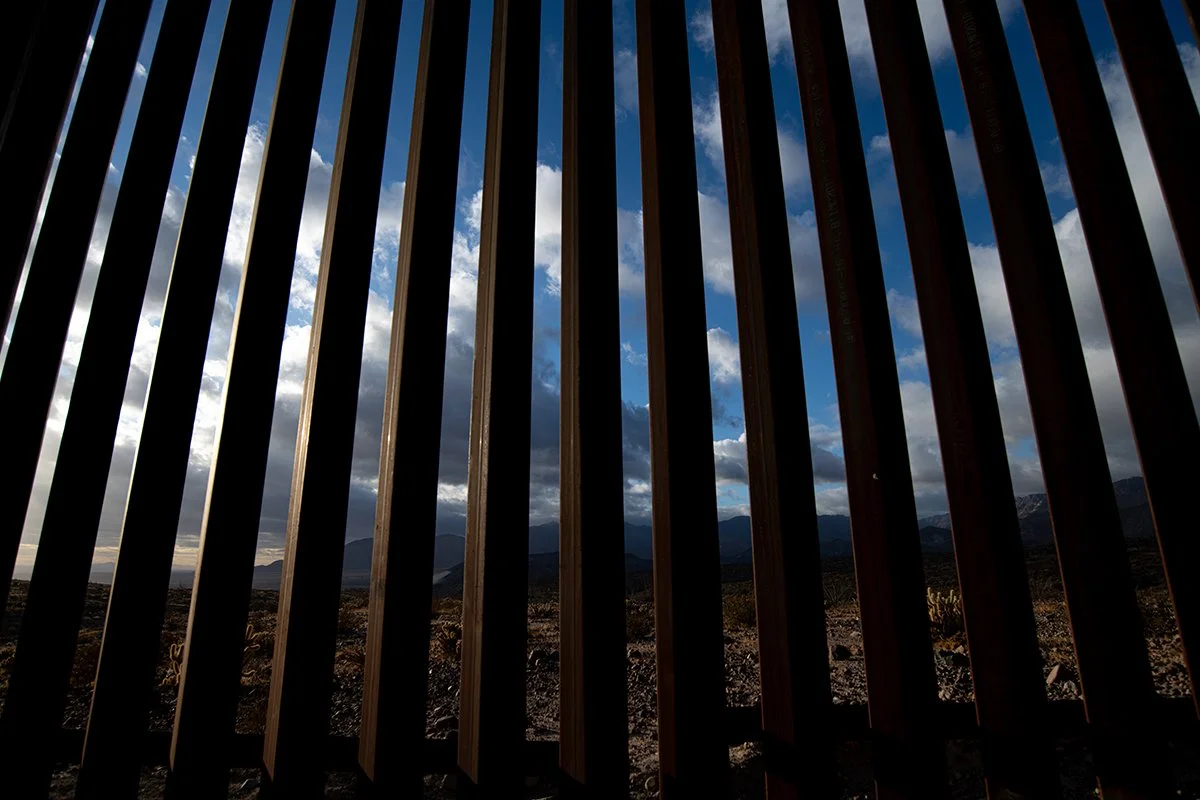
The U.S.-Mexico border wall in California
U.S. Customs and Border Protection (CBP) recently announced plans to close all remaining border wall gaps in California, including new projects through the Otay Mountains and Jacumba Wilderness areas in San Diego and Imperial counties. Once completed, these wall sections will eliminate the last pathways for wildlife to move between California and Mexico. For many species, this loss would be disastrous. But there are solutions to lessen the blow.
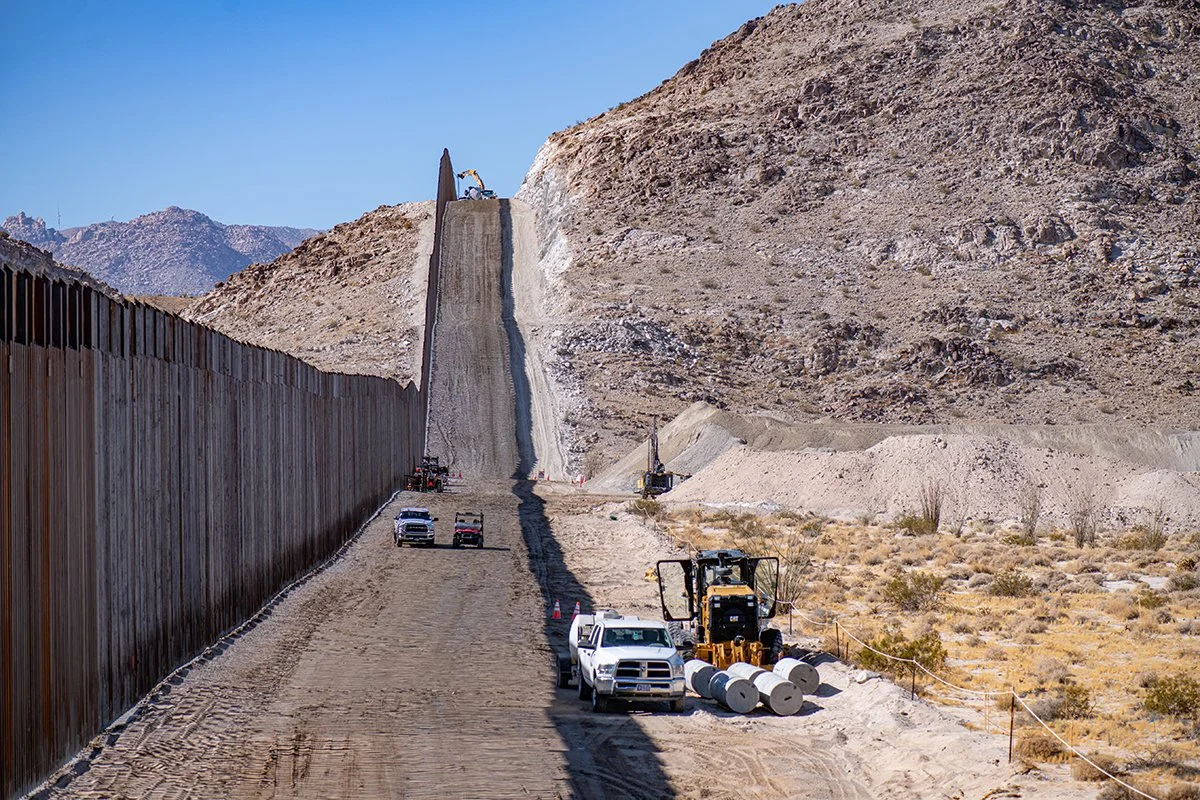
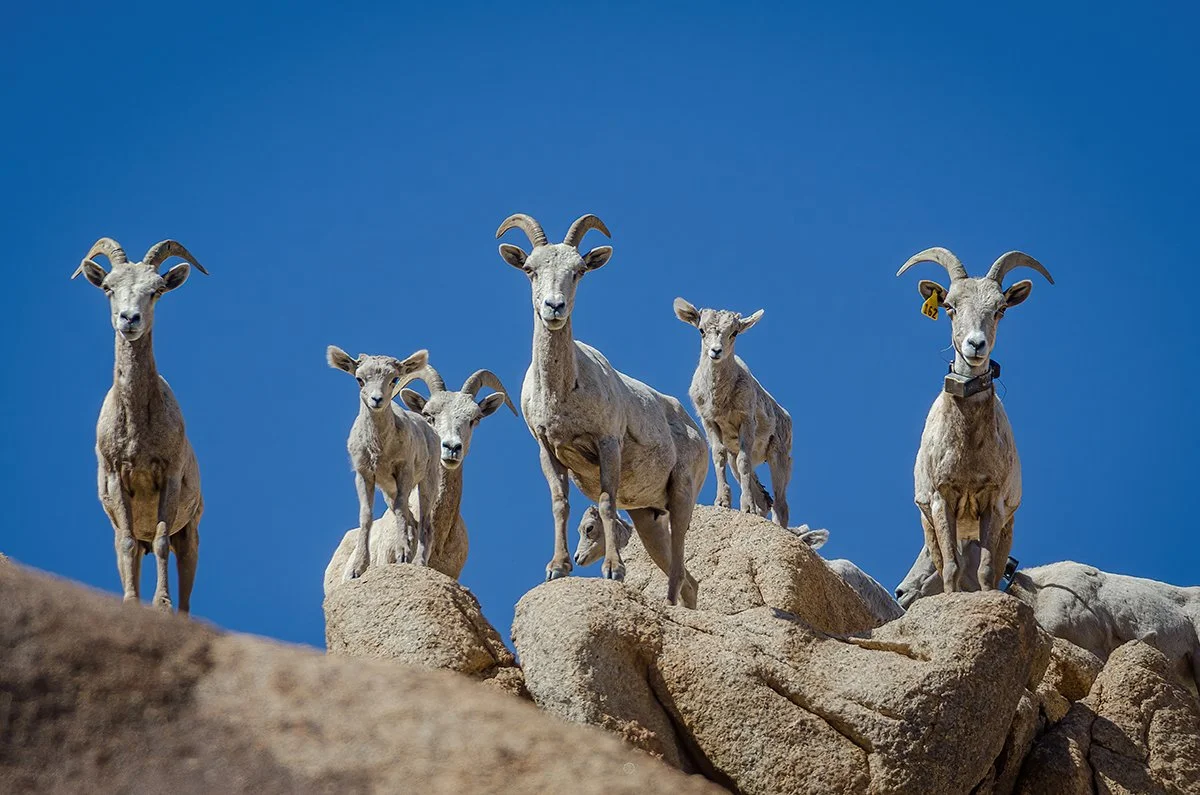
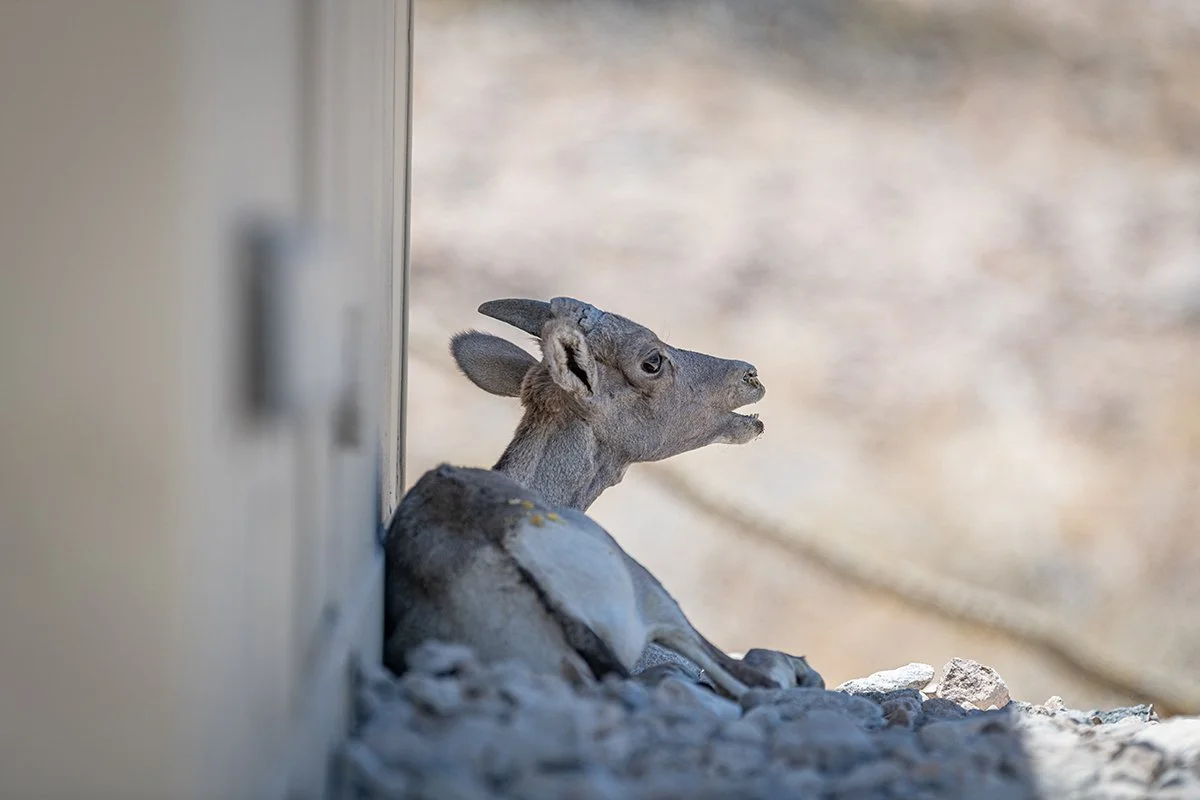
Group of Peninsular bighorn sheep (ewes and lambs) that lives along the California-Mexico border in the Jacumba Wilderness
Among the most affected species are endangered Peninsular bighorn sheep, whose home ranges straddle the border in the boulder-strewn Jacumba Wilderness. GPS collar data show these bighorn spend roughly half of their time in each country, relying on cross-border movement to access water and food, connect subpopulations, and maintain genetic health. With population numbers once dipping below 300 individuals in California, decades of conservation, including added habitat protections and limited captive breeding, have supported slow recovery. Sealing the border would isolate U.S. populations of bighorn from core habitat and populations in Mexico, limiting recovery progress and increasing vulnerability to threats worsened by fragmentation, such as drought and disease.
A Peninsular bighorn lamb separated from their mother while trying to cross a border wall construction zone wanders alone, weak and dehydrated.
In addition to permanently separating U.S. and Mexico populations, the border wall threatens to cut off individuals from the Jacumba herd that regularly move between the two countries. During previous border wall construction in the Jacumba Wilderness in 2020, a young Peninsular bighorn lamb was separated from their mother while attempting to cross into Mexico for water, a routine journey these animals have made for generations. Disoriented and alone, the lamb could not find a way to their mother in Mexico and instead walked north to their birthplace in California, where reliable water was scarce. The lamb was found dead days later. Splitting this herd’s home range in half without interventions will likely lead to more mortality—either from resource limitations or vehicle collisions—as animals range further for food and water, toward nearby major highways that already pose safety risks for bighorn and drivers.
A mountain lion approaches and gazes through the U.S.-Mexico border wall.
Many other species stand to lose when the last wall gaps close. Mountain lions, proposed for threatened status under the California Endangered Species Act, suffer from inbreeding and habitat fragmentation, and rare dispersals across unfenced border can introduce vital genetic material from Baja California. For mule deer, a sealed border would trap populations between the wall and highways like State Route 94, a known mortality hotspot, further limiting safe access to needed resources. Smaller species like bobcats, coyotes, and badgers would be likewise impacted—crossing rates of such species can be 75-84 percent lower across pedestrian barriers (the now-standard bollard fence that will span the entire California border) compared to more permeable vehicle barriers, with some evidence that badgers may not cross through pedestrian barriers at all. American badgers are a species of special concern in California and can range as widely as mountain lions, with movements up to six miles or more per day. The species has declined in the state, and in Southern California badgers are primarily found only in areas with large, unfragmented tracts of habitat.
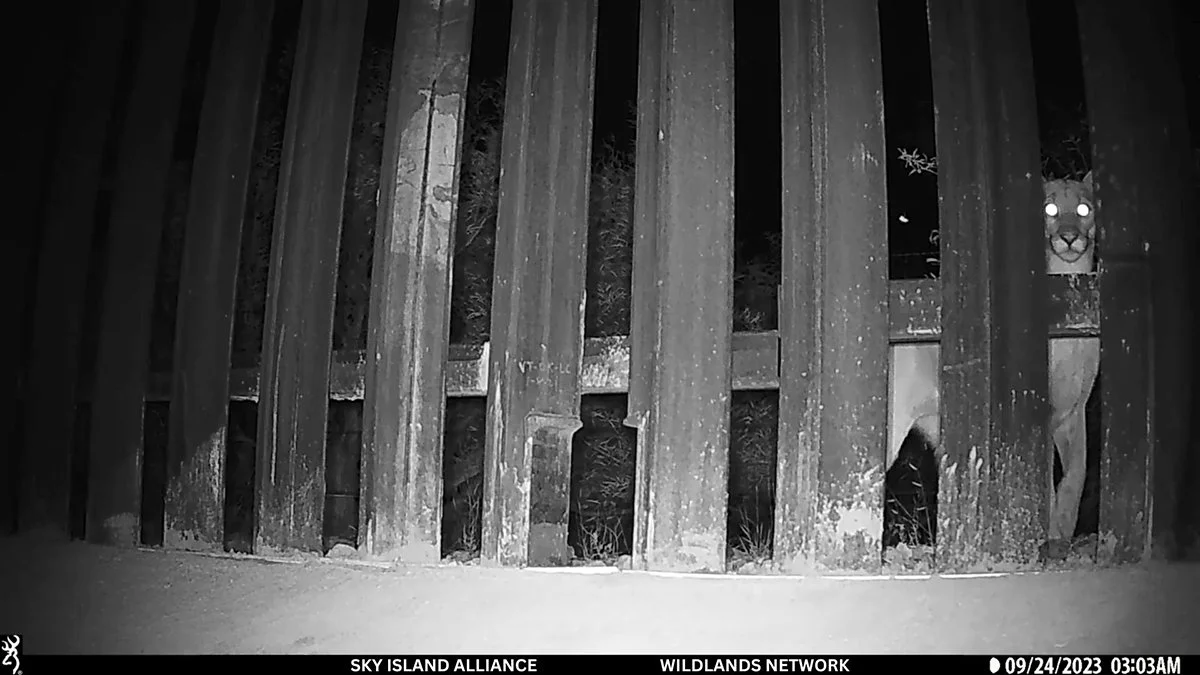
A mountain lion approaches and gazes through the U.S.-Mexico border wall. (Photo by Sky Island Alliance / Wildlands Network)
While its construction will have unavoidable impacts on our borderlands and its inhabitants, the border wall need not be a death sentence for all wildlife. Years of camera monitoring and peer-reviewed research show that simple, low-cost design changes can allow safe passage for wildlife without undermining CBP’s security goals. For example, small 8.5×11-inch openings—the size of a piece of paper—installed every quarter mile allow bobcats, badgers, coyotes, and even young mountain lions to cross at much higher rates than border wall without passages. These small wildlife passages are added after wall construction, so can be easily installed in both new and existing border barriers. Additionally, more than 6,000 camera days of monitoring confirm no human use of passages added to the wall in Arizona. Wider gaps between prefabricated wall panels, at least 5.5 inches, can also increase crossing rates for mid-sized species like javelina. Increased panel spacing must be incorporated during construction but minimally change the design and construction of barriers.
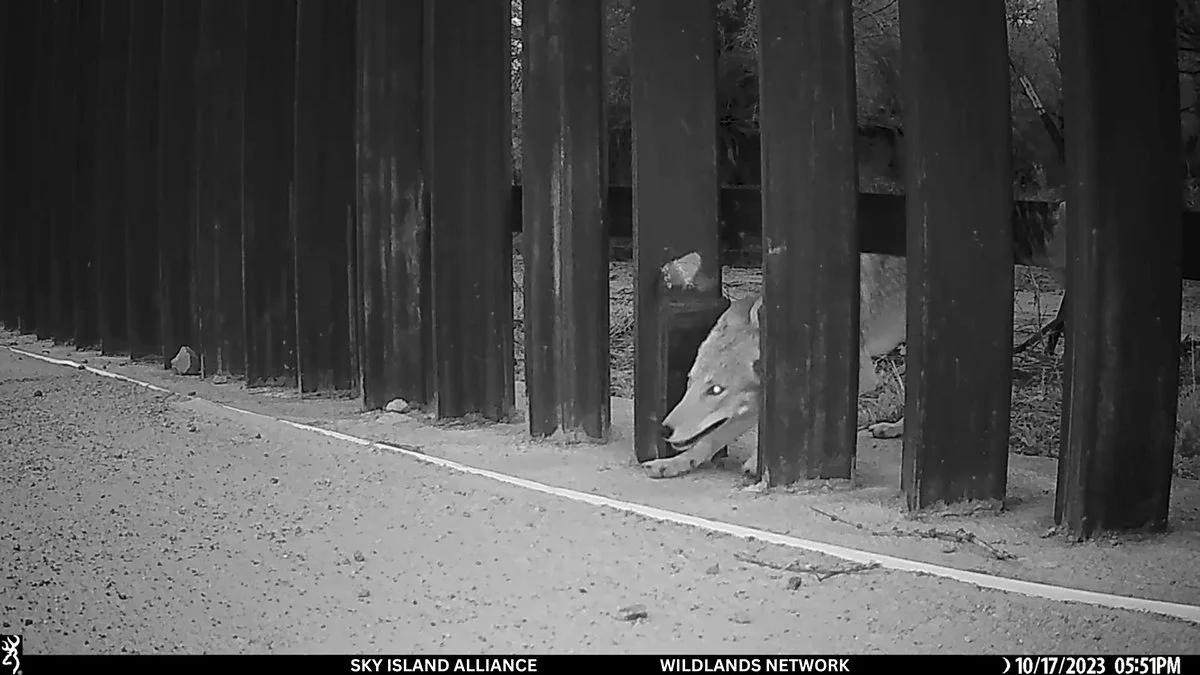
A coyote navigating across the border wall where a small wildlife passage was added (Photo by Sky Island Alliance / Wildlands Network)
For larger animals like male mountain lions, mule deer, and bighorn sheep, solutions exist but require compromise. In key areas like the Jacumba Wilderness, retaining year-round open gates or leaving targeted unfenced sections can preserve movement. With the help of advanced surveillance techniques, these gaps can serve wildlife while still allowing for patrol activities. At Wildlands Network, we believe now is the time for compromise and solutions that can preserve ecological functions, even in the face of increased border infrastructure. In the past, these solutions have only been applied in response to litigation.
We are calling for CBP to proactively incorporate these mitigation measures during new construction. With all federal environmental laws waived to speed up border wall construction, the only way to voice concerns over impacts of these projects is to be aware of and respond to limited, 30-day comment periods announced by CBP. We have partnered with agencies and non-profits working along the border to gather data and advise where these wildlife-accommodating designs are most needed.
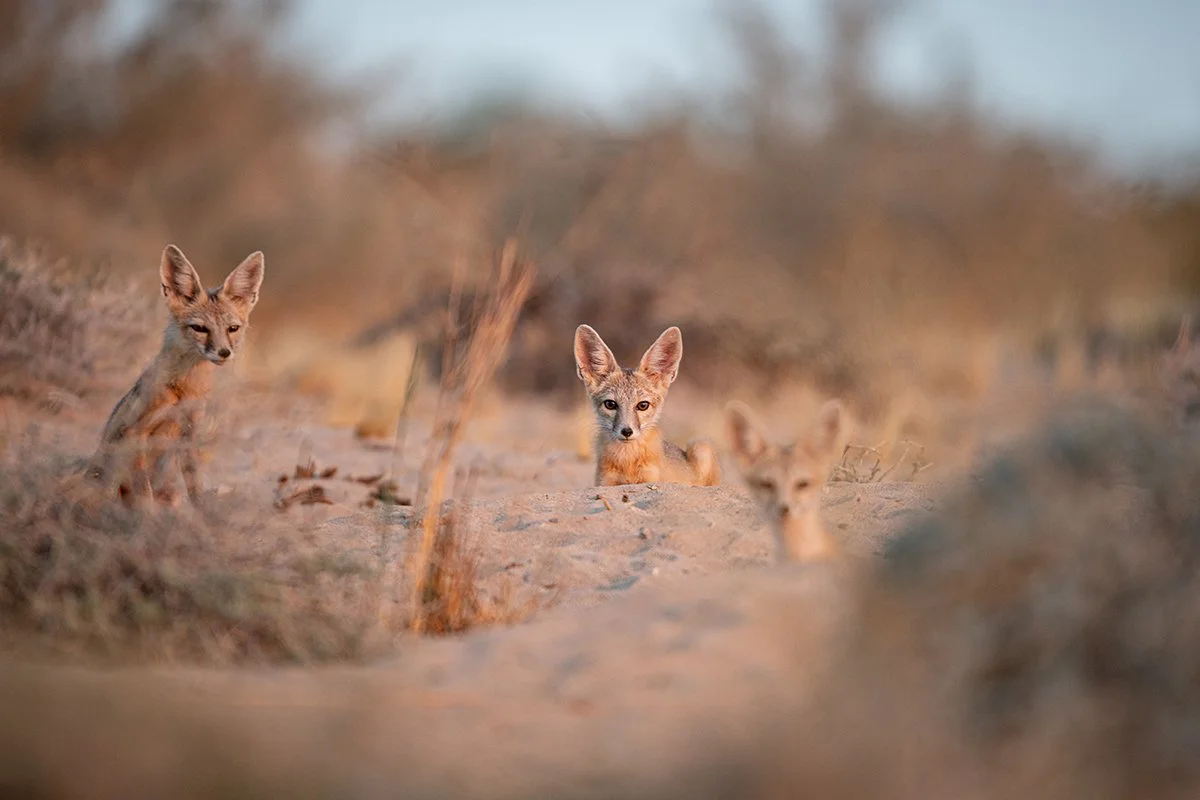
A family of kit fox living along the California-Mexico border.
The wilderness areas and public lands along California’s borderlands are among the last intact wildlife corridors linking the U.S. and Mexico. These areas support a diverse array of species, from large mammals to smaller creatures, all reliant on unrestricted movement for survival, genetic diversity, and adaptation to environmental pressures. We will continue to advocate for science-based border infrastructure that safeguards these essential movement routes and work with partners in California and beyond to ensure these approaches are considered and implemented where possible.
To encourage CBP to use wildlife-accommodating border wall designs, visit Documents Library | U.S. Customs and Border Protection for a list of current border barrier construction projects and instructions on how to submit comments within each project page. For updates on Wildlands Network’s borderlands efforts, visit www.wildlandsnetwork.org.